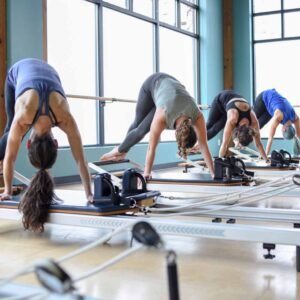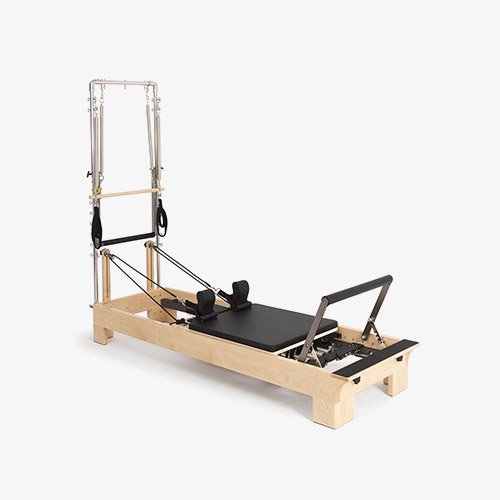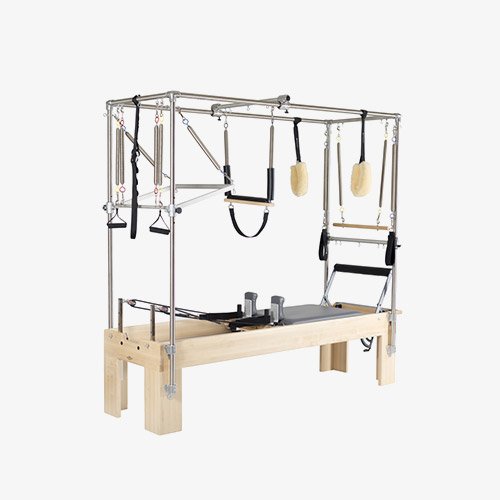
In the world of Pilates, precision is paramount.
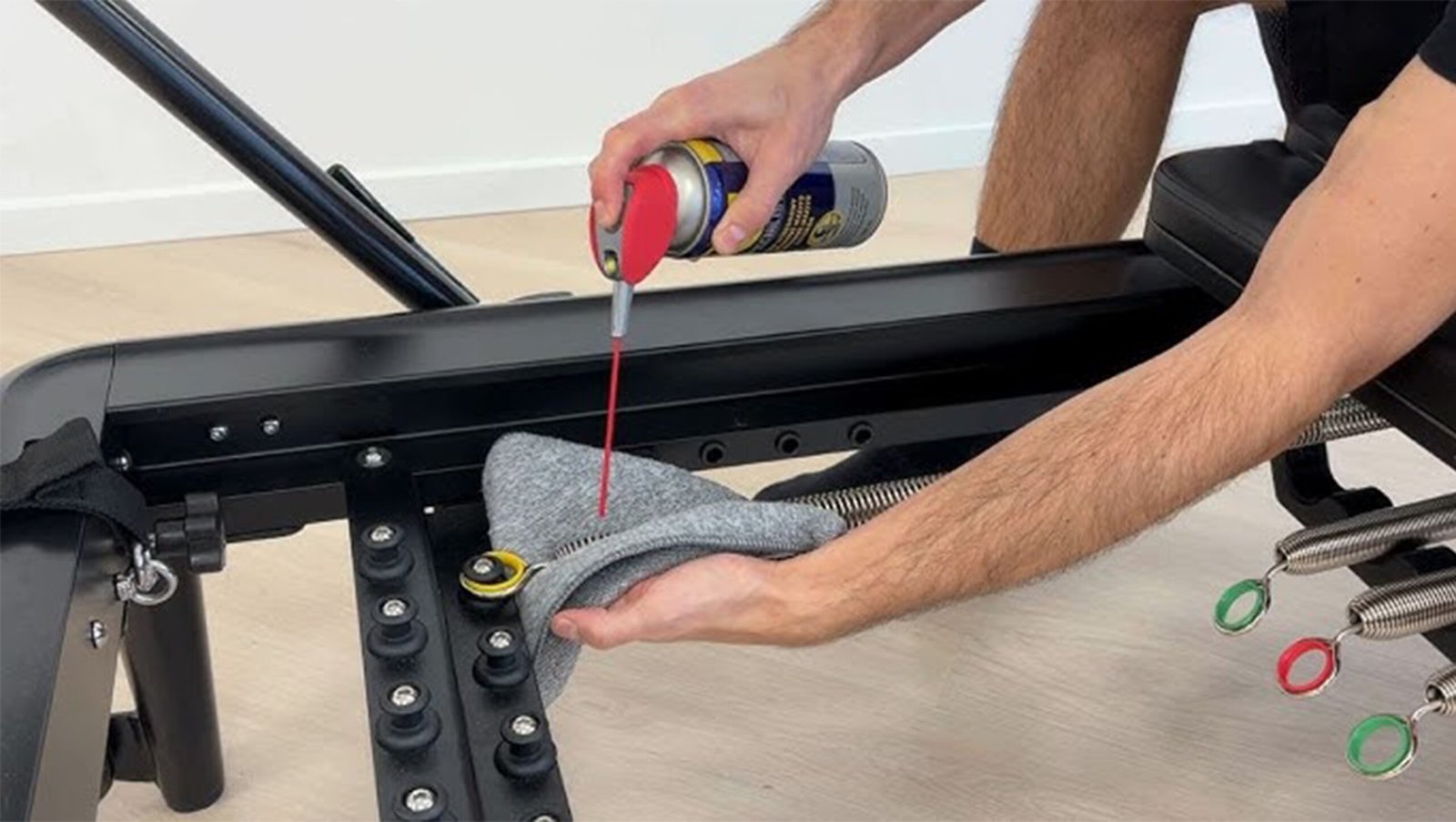
Every Pilates Reformer is a masterpiece of precision engineering. Springs store energy with every stretch, while pulleys support your core during every smooth glide. But have you noticed that, over time, the gliding sound is no longer silent? Does the spring resistance feel a bit “slack”?
At Diilaar, dedicated to delivering a premium Pilates experience, we know that the condition of your pilates equipment directly determines the effectiveness and safety of your workout. Today, we’ll show you—from a professional perspective—how to care for your Reformer just as you care for your own body.
Why Does Your Reformer Need "Deep Therapy"?
Wear and tear often occurs in the details and is easily overlooked. You might not notice it immediately, but subtle imbalances in tension or increased gliding resistance can quietly compromise the symmetry of your movements.
Safety First: Prevention is better than cure; timely inspections prevent accidents caused by spring fatigue.
Restoring the Feel: Professional maintenance can instantly return your equipment to “factory settings,” restoring that silky-smooth gliding sensation.
Asset Value: For studios, well-maintained pilates equipment is the ultimate calling card for professionalism and the key to lowering long-term operating costs.
Maintenance by Scenario: What Kind of "Pilates Enthusiast" Are You?
Different usage intensities call for different maintenance strategies.
🏠 Home Enthusiast (At-Home)
Frequency: A deep inspection once a year is recommended.
Key Focus: Cleanliness. Sweat and dust are the equipment’s greatest enemies. Regularly check springs for gaps and ropes for fraying or pilling.
🧘 Professional Studio (High-Traffic Studio)
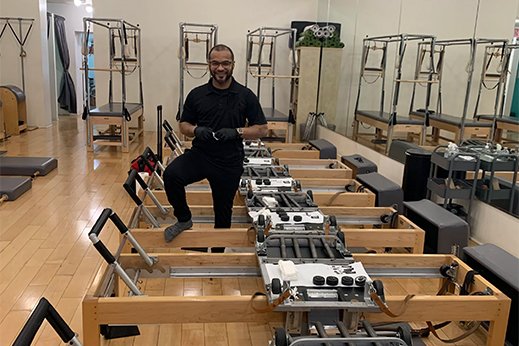
Frequency: If annual usage exceeds 3,000 hours, a professional inspection every six months is recommended.
Key Focus: Preventive Replacement. Don’t wait for equipment to break before fixing it; proactively replace wear-and-tear parts based on class volume to ensure every session delivers a perfect experience for your members.
A "Health Checklist" for Key Components
1. Springs: The Source of Power
The magic of Pilates lies in its springs. Experts observe that springs subjected to frequent use lose approximately 5% of their tension annually.
Diilaar Tip: Uneven spring tension can cause a physical imbalance for the user. Visually inspecting the springs for tiny gaps is the first step in identifying signs of fatigue.
2. Pulleys and Rails: The Secret to Silent, Fluid Movement
The cleanliness of the pulley bearings and rails directly affects the smoothness of the glide.
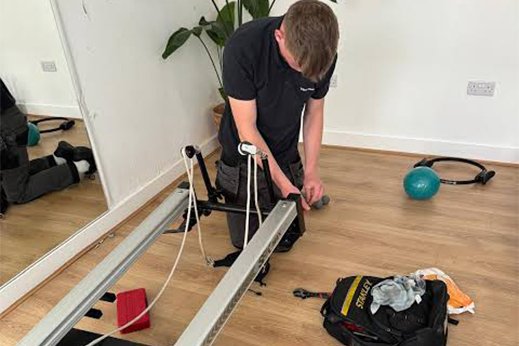
Listen Closely: A faint friction sound indicates that the rails need cleaning or the wheels require replacement.
Tactile Check: Run your hand along the rails to ensure there are no scratches or dents; this is essential for maintaining precise control.
3. Ropes and Handles: The Tactile Connection
These serve as your most direct points of contact with the pilates equipment.
Why Choose Diilaar’s Professional Expertise?
At Diilaar, we offer more than just pilates equipment; we offer a lifestyle. Using genuine, certified parts is crucial. Non-standard accessories can compromise system alignment and may even void your warranty.
Maintaining the precision of your equipment means maintaining control over your body.
Want to book a "comprehensive service" for your equipment?
Click here to contact the Diilaar professional team and let us revitalize your Reformer.