Opening a Pilates studio is exciting, but choosing the right pilates equipment can be challenging. Your equipment affects your studio layout, class formats, instructor workflow, client experience, and long-term investment.
You do not need every Pilates apparatus from the beginning. A better approach is to start with the equipment that supports your main services and add more as your studio grows.
Whether you are opening a boutique studio, expanding a fitness facility, or sourcing equipment for a Pilates business, this guide covers the key Pilates studio equipment to consider.
How to Plan Your Pilates Studio Equipment
Before purchasing, consider:
- Your services: Private sessions, duets, small groups, and specialty programs have different equipment needs.
- Your clients: Consider their experience, training goals, and comfort.
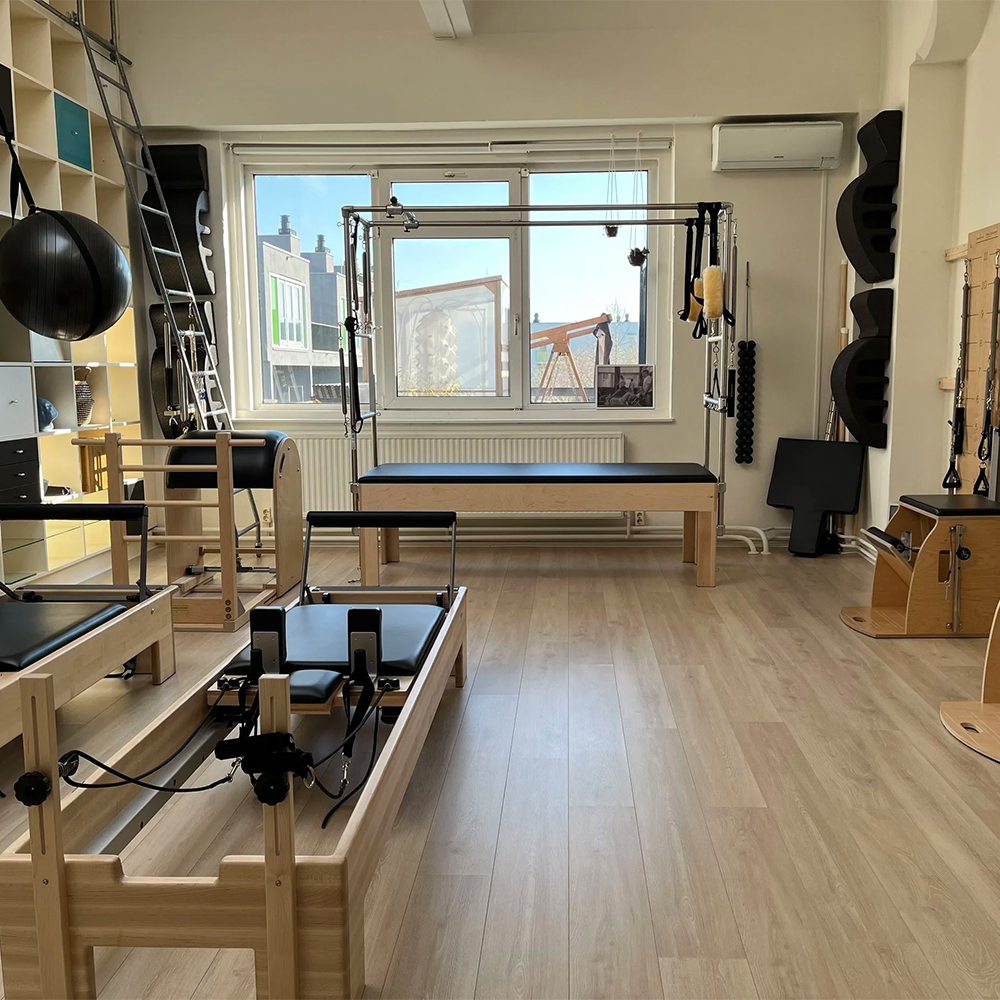
- Your space: Measure the training area, walkways, storage, and ceiling height.
- Your budget: Prioritize equipment that will be used regularly and support your main services.
A practical studio setup should provide a professional experience today while leaving room for future expansion.
Essential Pilates Studio Equipment
1. Pilates Reformer
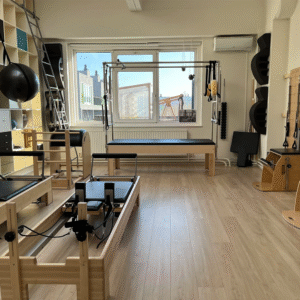
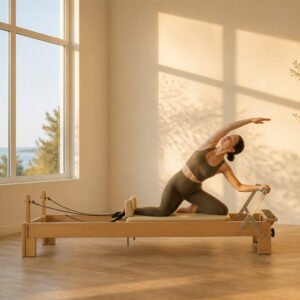
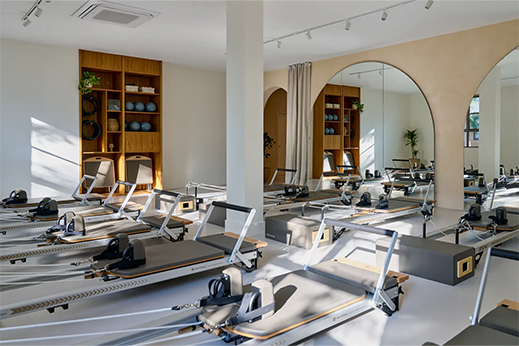
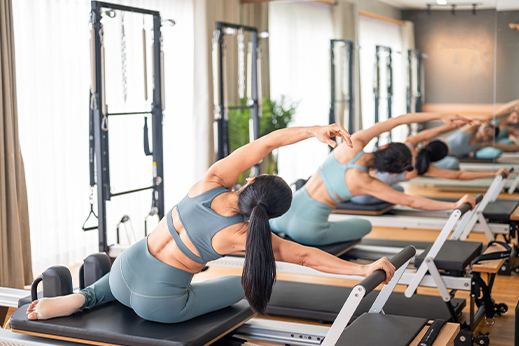
For many studios, the Pilates Reformer is the foundation of the equipment setup. Its moving carriage, adjustable springs, footbar, and straps allow instructors to create a wide range of exercises for different clients.
Reformers can support private sessions, duets, and small-group classes. When choosing commercial Reformers, pay attention to:
- Frame stability and construction
- Carriage movement and noise
- Spring resistance and adjustment
- Footbar and shoulder-rest design
- Strap and pulley quality
- Comfort and maintenance
For frequent studio use, reliable construction and easy adjustment are essential.
Diilaar offers commercial Pilates Reformers in different configurations for studios, distributors, and fitness businesses, with customization options available for different business needs.
2. Mats and Small Props
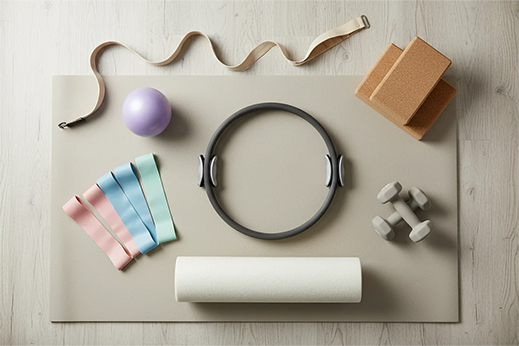
Even Reformer-focused studios can benefit from a mat area. Mats are useful for warm-ups, mobility work, workshops, and classes without large apparatus.
Small props can also add variety without taking up much space. Common choices include:
- Pilates rings
- Stability balls
- Resistance bands
- Foam rollers
- Blocks and support pads
- Light weights
For commercial use, choose durable accessories that are easy to clean and store.
3. Reformer Accessories
Accessories can expand your programming without adding another large machine.
A jumpboard can add dynamic lower-body and cardiovascular work to Reformer sessions, while compatible rebounders offer another option for rhythmic, low-impact movement.
Always check attachment compatibility with your Reformer before purchasing.
Pilates Equipment to Add as Your Studio Grows
Once your main services are established, additional Pilates apparatus can help you offer more specialized training.
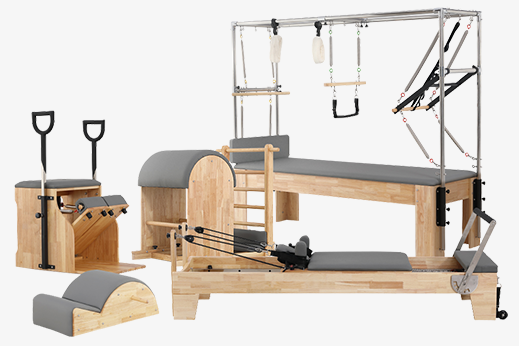
1. Reformer with Tower
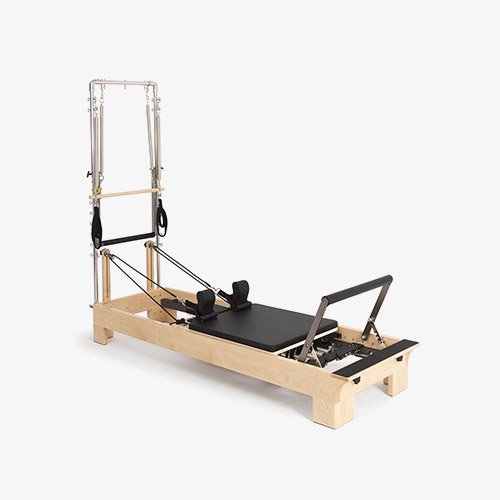
A Reformer with Tower combines traditional Reformer exercises with a vertical spring system, giving instructors more programming options within one integrated setup.
It can be useful for private training, advanced sessions, mobility work, and varied small-group programs. Check the equipment dimensions, tower height, ceiling clearance, and installation requirements before purchasing.
2. Cadillac or Trapeze Table
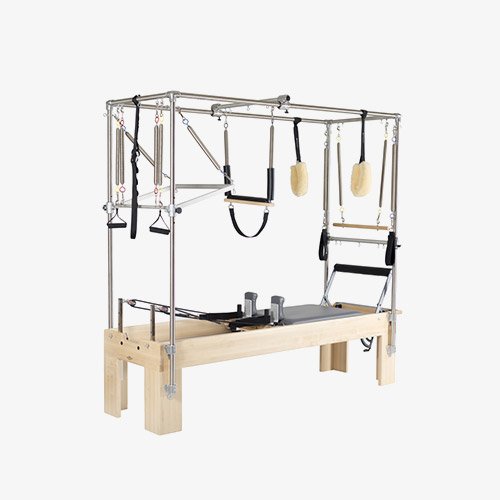
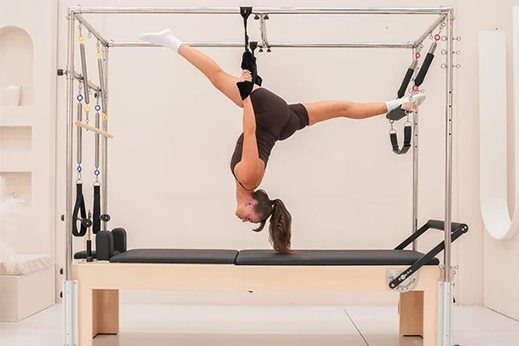
The Cadillac, also known as a Trapeze Table, provides a wide range of spring-based, supported, and suspended exercises.
It can complement private and specialized sessions, but it requires more floor space than many other Pilates apparatus. Make sure it fits naturally into your studio layout.
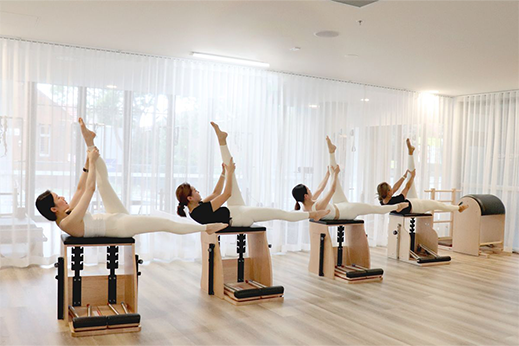
3. Stability Chair
The Stability Chair provides balance, mobility, posture, and strength exercises while taking up relatively little space.
It can be a useful addition for studios with limited floor area, although instructors should have appropriate training before introducing more advanced Chair exercises.
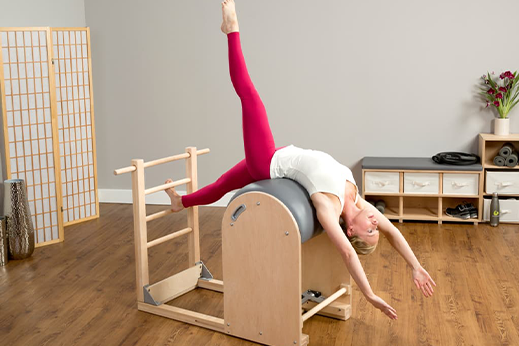
4. Ladder Barrel and Spine Corrector
A Ladder Barrel can support programs focused on spinal mobility, extension, lateral movement, and posture.
A Spine Corrector provides a smaller option for supported movement and targeted exercises. Both can complement private sessions and specialized programming.
How to Choose Commercial Pilates Equipment
The initial purchase price is only part of the investment. When comparing commercial Pilates equipment, consider the following:
Durability
Look at frame construction, moving components, springs, upholstery, warranty coverage, and replacement-part availability. Equipment used every day needs reliable performance.
Comfort and Adjustability
Adjustable components and supportive padding can make equipment more comfortable for different clients while helping instructors set up sessions efficiently.
Maintenance and Support
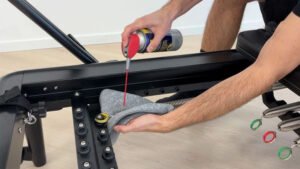
Understand warranty terms, maintenance requirements, spare-parts availability, and after-sales support before placing an order.
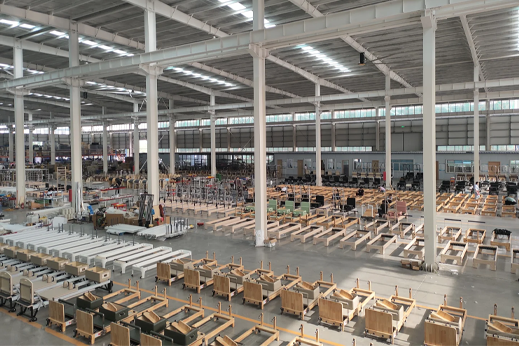
For larger studio projects, working directly with an experienced supplier can also make communication about equipment configurations and future orders easier.
Diilaar supplies Pilates and fitness equipment for professional studios, distributors, and fitness businesses. OEM/ODM services can support customization of logos, colors, materials, configurations, and packaging.
Future Compatibility
If you plan to add Towers, attachments, or other apparatus later, check compatibility before your first purchase. A scalable setup can help you expand without replacing equipment unnecessarily.
Common Equipment Mistakes to Avoid
Buying too much too soon: Start with equipment that supports your main services.
Ignoring space: Leave enough room for clients and instructors to move safely.
Choosing appearance over function: Design matters, but durability, comfort, adjustment, and maintenance matter too.
Forgetting storage: Keep props and accessories organized and easy to access.
Ignoring compatibility: Make sure attachments and future upgrades work with your existing equipment.
Skipping training: Instructors should understand equipment setup and proper use before introducing new apparatus.
Pilates Studio Equipment Checklist
Before opening or expanding your studio, ask:
- Does the equipment support your main classes?
- Is there enough space around each apparatus?
- Is it suitable for frequent commercial use?
- Can instructors adjust it efficiently?
- Are maintenance and replacement parts available?
- Can you add compatible equipment later?
- Have delivery, installation, and maintenance costs been considered?
Build a Studio That Can Grow
Choosing Pilates studio equipment is not about buying everything at once. It is about creating a setup that works for your current business while allowing you to expand when demand grows.
For many studios, Reformers, mats, and essential props provide a practical starting point. As your programs develop, a Reformer with Tower, Cadillac, Stability Chair , Ladder Barrel , or Spine Corrector can add new training possibilities.
Choose equipment based on performance, durability, comfort, space, and long-term business needs.
Diilaar provides commercial Pilates and fitness equipment for studios and fitness businesses, helping customers build equipment solutions around their programs, space, and brand requirements.