Athletes spend hours building strength, speed, and endurance. But better performance is not just about training harder. It is also about moving efficiently, maintaining control, and allowing the body to recover.
That is where Pilates can help.
Pilates for athletes focuses on core strength, mobility, balance, and controlled movement. Whether you are a runner, weightlifter, cyclist, or team sports player, adding Pilates to your routine can complement your regular training and help you develop better movement habits.
Here are five ways Pilates can support athletic performance.
1. Build Core Strength for Better Movement
Your core connects your upper and lower body, supports your spine, and helps transfer force when you run, jump, or lift weights.
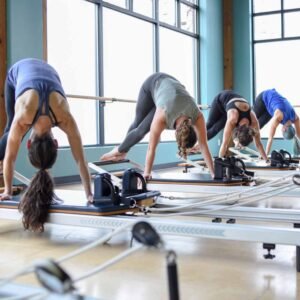
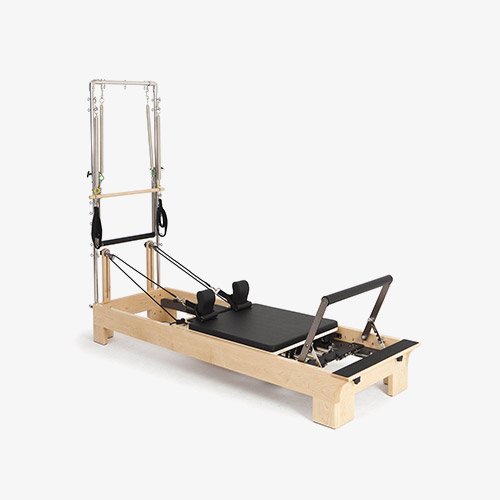
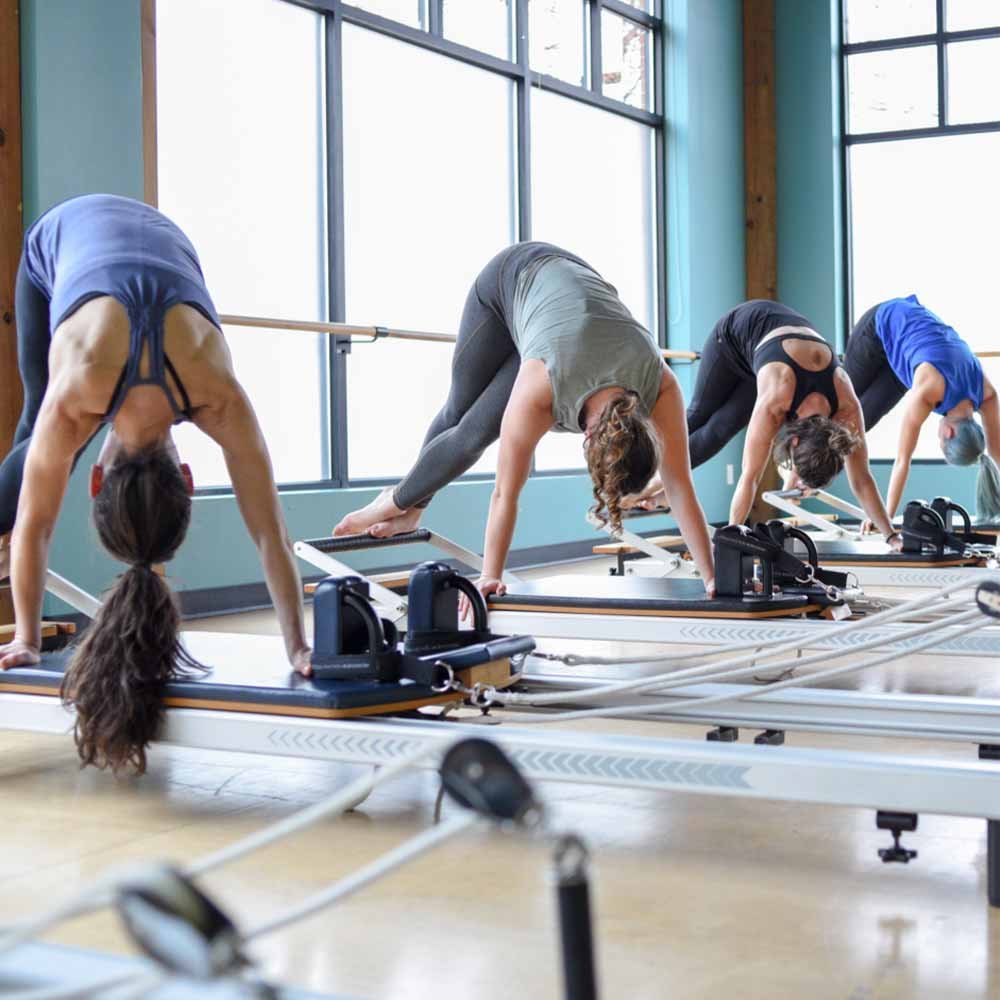
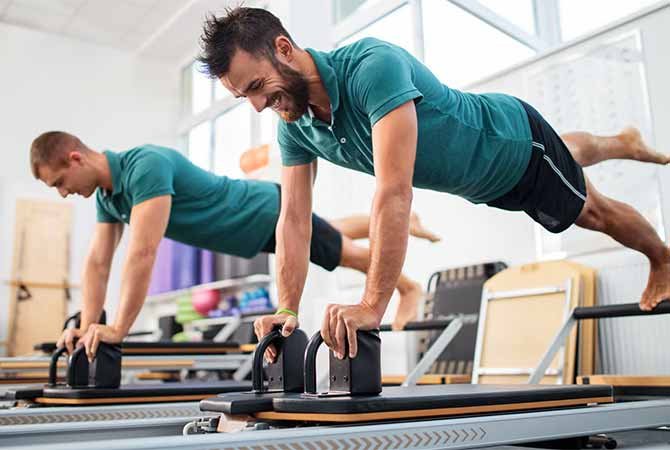
Pilates trains the muscles around your trunk to work together, helping you maintain control during movement. With Reformer Pilates, adjustable spring resistance challenges your core while you move your arms and legs.
A stronger, more controlled core can help you maintain better technique throughout your workouts.
2. Improve Mobility and Flexibility
Tight hips, stiff hamstrings, and restricted shoulder movement can make training less comfortable.
Pilates combines stretching with controlled movement, helping you improve flexibility while learning to control your body through a wider range of motion.
This active mobility can support everyday athletic movements, including squatting, running, reaching, and turning.
3. Support Joint Stability and Muscle Balance
Athletes often focus on major muscle groups, but smaller supporting muscles also play an important role in movement control.
Pilates uses precise exercises to challenge these muscles and improve awareness of how different parts of the body work together. It can also help you identify left-to-right movement differences and work toward better balance.
Although Pilates cannot guarantee injury prevention, it can complement a well-rounded training program.
4. Make Recovery Days More Productive
Rest is essential, but gentle movement can also help you manage post-workout stiffness.
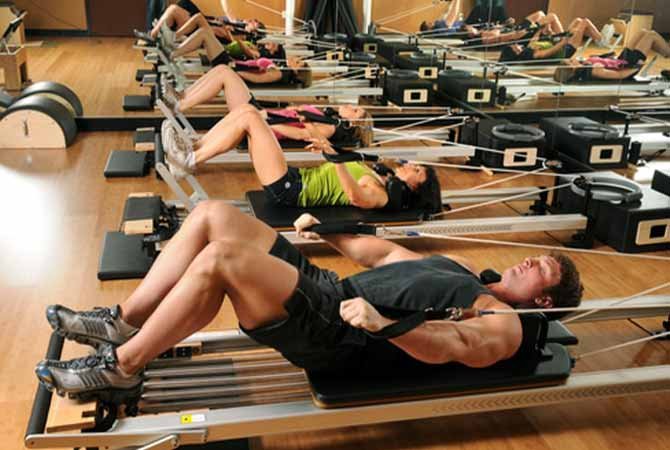
A light Pilates session can provide low-impact movement without the demands of another intense workout. On a Reformer, adjustable spring resistance allows exercises to be adapted to different ability levels and training needs.
Keep recovery sessions gentle when you are tired, and avoid adding unnecessary training stress.
5. Develop Better Breathing and Body Awareness
Pilates combines controlled movement with coordinated breathing. This encourages you to pay attention to posture, muscle tension, and movement quality.
With regular practice, athletes may become more aware of how they move and breathe during challenging exercises. These skills can complement training activities that require concentration, coordination, and consistent technique.
How to Add Pilates to Your Athletic Training
Start with one or two 30–45-minute Pilates sessions per week. You can choose mat Pilates or Reformer Pilates, depending on your goals, experience, and available equipment.
The aim is to complement your main sport, not replace strength training, conditioning, or adequate rest. Adjust the intensity to fit your training schedule and recovery needs.
Choosing the Right Pilates Equipment for Your Business
For commercial gyms, sports performance centers, and Pilates studios, quality equipment helps create versatile training options for different clients.
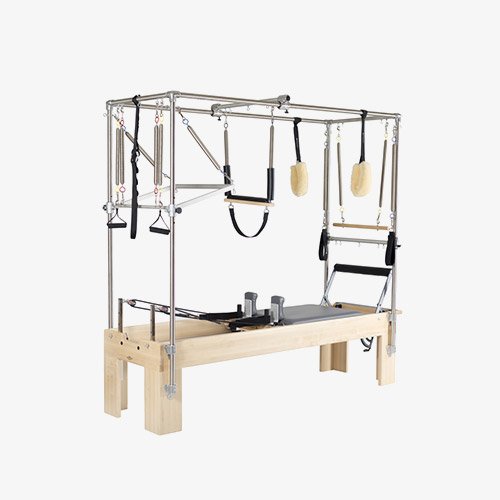
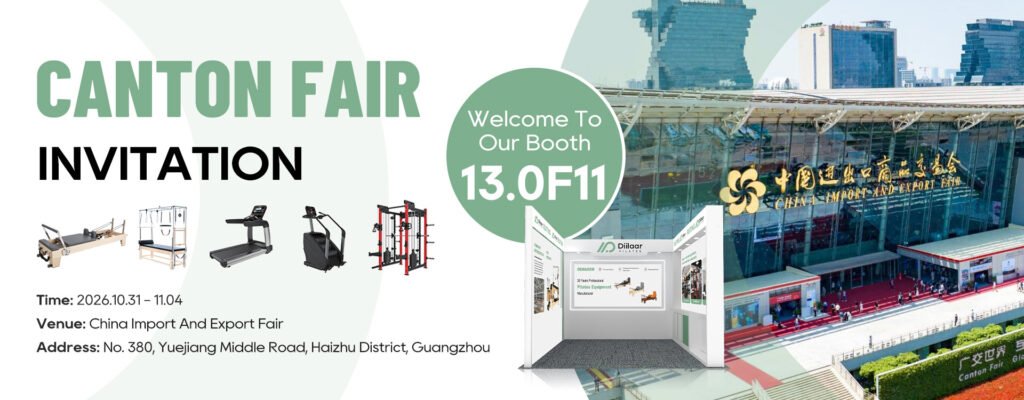
Diilaar is a Pilates equipment manufacturer offering Reformers and other Pilates equipment for professional studios and fitness businesses. From October 31 to November 4, visit the Raetin booth at the Canton Fair (Booth No. 13.0F11) to explore our Pilates equipment, discuss product configurations with our professional team, and learn about customization options for colors, dimensions, and logo placement. Visit diilaar.com to explore our product range.
Final Thoughts
Pilates can be a valuable addition to athletic training by supporting core strength, mobility, movement control, and active recovery.
You do not need to overhaul your routine. Start with manageable sessions, stay consistent, and use Pilates alongside your existing training program to build a more balanced approach to performance.
Sometimes, improving your performance starts with learning to move better.