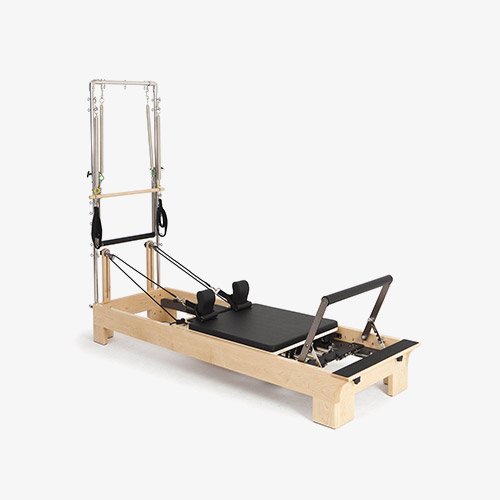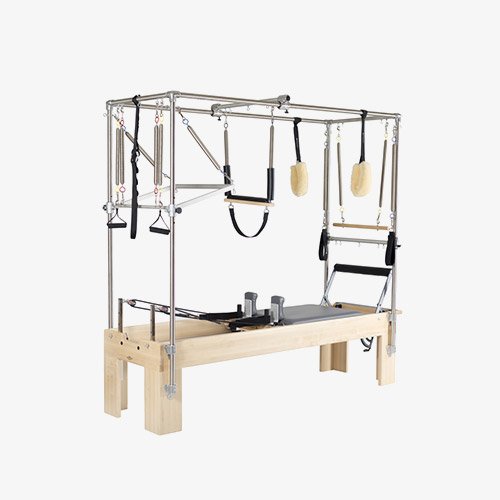
Compare maple, beech, oak, and aluminum Pilates reformers. Explore their durability, maintenance, and suitability for commercial Pilates studios.
Choosing the right material is an important decision when purchasing commercial Pilates reformers. Different materials offer different advantages in durability, appearance, maintenance, and cost.
For Pilates studios, distributors, and equipment buyers, the key is finding a reformer that meets daily usage requirements while fitting the business budget.
Here is a comparison of four common materials: North American Maple, European Beech, Oak, and Aluminum.
1. Comparing Four Commercial Pilates Reformer Materials
North American Maple: Premium Wooden Construction
North American Hard Maple is a popular choice for professional wooden Pilates reformers because of its density, hardness, and attractive natural grain.
Key Advantages:
- Dense hardwood construction with good wear resistance.
- Natural appearance suitable for premium studios.
- Good vibration absorption for a quieter equipment experience.
Best For: Boutique Pilates studios and businesses seeking premium wooden equipment.
European Beech: Practical and Cost-Effective
European Beech features a relatively uniform grain and smooth finish, making it a practical material for wooden reformers.
Key Advantages:
- Clean and consistent appearance.
- Good strength when properly processed.
- Practical balance between appearance and cost.
- Things to Consider: Beech is sensitive to humidity changes, so proper drying and protective finishing are important.
Best For: Studios looking for wooden equipment with a practical purchasing budget.
Oak: Distinctive Natural Appearance
Oak is known for its prominent grain patterns, solid appearance, and natural texture.
Key Advantages:
- Distinctive wood grain.
- Good hardness and wear resistance.
- Suitable for different design preferences.
- Things to Consider: Oak is relatively heavy and requires appropriate finishing and structural design for commercial equipment.
Best For: Studios that prefer a traditional wooden aesthetic.
Aluminum: Modern Design and Easy Maintenance
Aluminum reformers offer a contemporary appearance and practical advantages for commercial environments.
Key Advantages:
- Good structural stability when properly engineered.
- Resistant to moisture-related deformation.
- Easy-to-clean surfaces.
- Suitable for frequent studio use.
- Things to Consider: Rail precision, bearing quality, and frame construction are important for smooth and quiet operation.
Best For: High-usage studios, group classes, and modern fitness facilities.

2. What Should You Check Before Buying?
Frame material is only one factor in commercial Pilates reformer quality. Pay attention to three additional areas:
1. Frame Processing
For wooden reformers, check timber drying, surface finishing, and joint construction. Proper processing helps reduce warping, cracking, and wear.
2. Rail and Carriage System
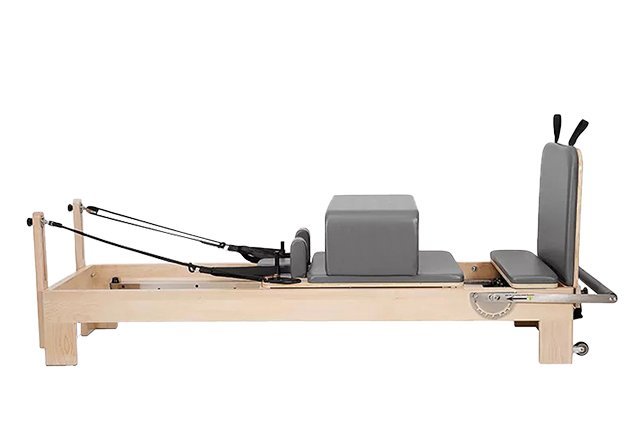
Check rail alignment, wheel quality, and bearings. These components directly affect carriage movement, noise, and overall user experience.
3. Springs and Accessories
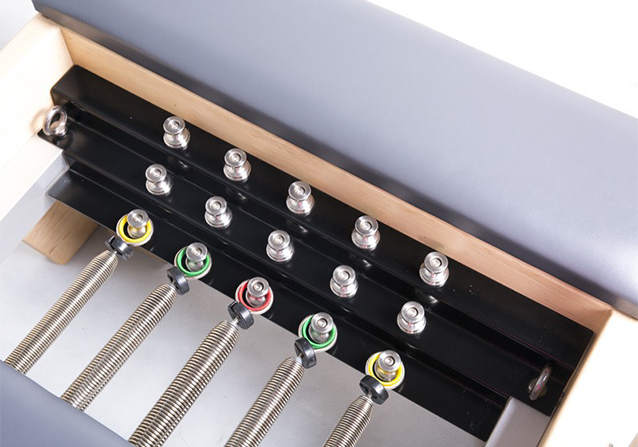
Evaluate spring resistance, adjustment options, and accessory configurations. A reliable system should provide smooth operation and meet different training requirements.
3. Which Material Is Right for Your Studio?
| Material | Main Advantage | Best For |
|---|---|---|
| North American Maple | Premium appearance and vibration absorption | Boutique studios |
| European Beech | Clean appearance and practical cost | Budget-conscious studios |
| Oak | Distinctive natural grain | Traditional studio designs |
| Aluminum | Moisture resistance and easy maintenance | High-usage studios |
There is no single best material for every business. Maple is a strong option for studios prioritizing natural aesthetics, while aluminum suits businesses looking for modern design and convenient maintenance.
Beech and Oak can also be suitable choices when timber quality and manufacturing processes meet commercial requirements.
4. Consider Total Cost Before Purchasing
The initial purchase price does not represent the entire cost of commercial Pilates equipment.
Before choosing a supplier, consider:
- Manufacturing Quality: Material grades, frame construction, and assembly precision.
- Component Quality: Springs, bearings, wheels, and adjustment systems.
- Maintenance: Cleaning requirements and replacement parts.
- Customization: Upholstery colors, studio logos, and product finishes.
- Shipping: Export packaging, transportation options, and delivery terms.
For studios purchasing multiple units and distributors sourcing equipment in bulk, comparing these factors helps achieve better long-term purchasing value.
5. Choosing a Commercial Pilates Equipment Manufacturer
A reliable manufacturer should offer consistent product quality, customization options, and professional after-sales support.
Diilaar, a brand under Raetin Technology, supplies wooden and aluminum reformers, reformers with towers, Cadillacs, and other commercial Pilates equipment. Factory-direct supply and OEM/ODM services allow buyers to customize upholstery colors, logos, and equipment configurations.
Conclusion
Maple, Beech, Oak, and Aluminum each have different advantages for commercial Pilates reformers. The right choice depends on your studio’s design, usage frequency, maintenance expectations, and budget.
Beyond material selection, always evaluate the complete frame construction, mechanical components, and manufacturing quality before purchasing.
Looking for commercial Pilates reformers for your studio or distribution business?
Contact a manufacturer to request product specifications, customization options, and a quotation.