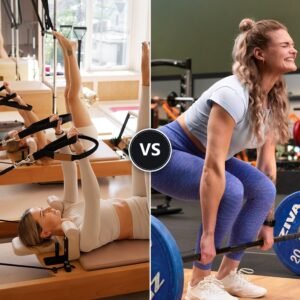
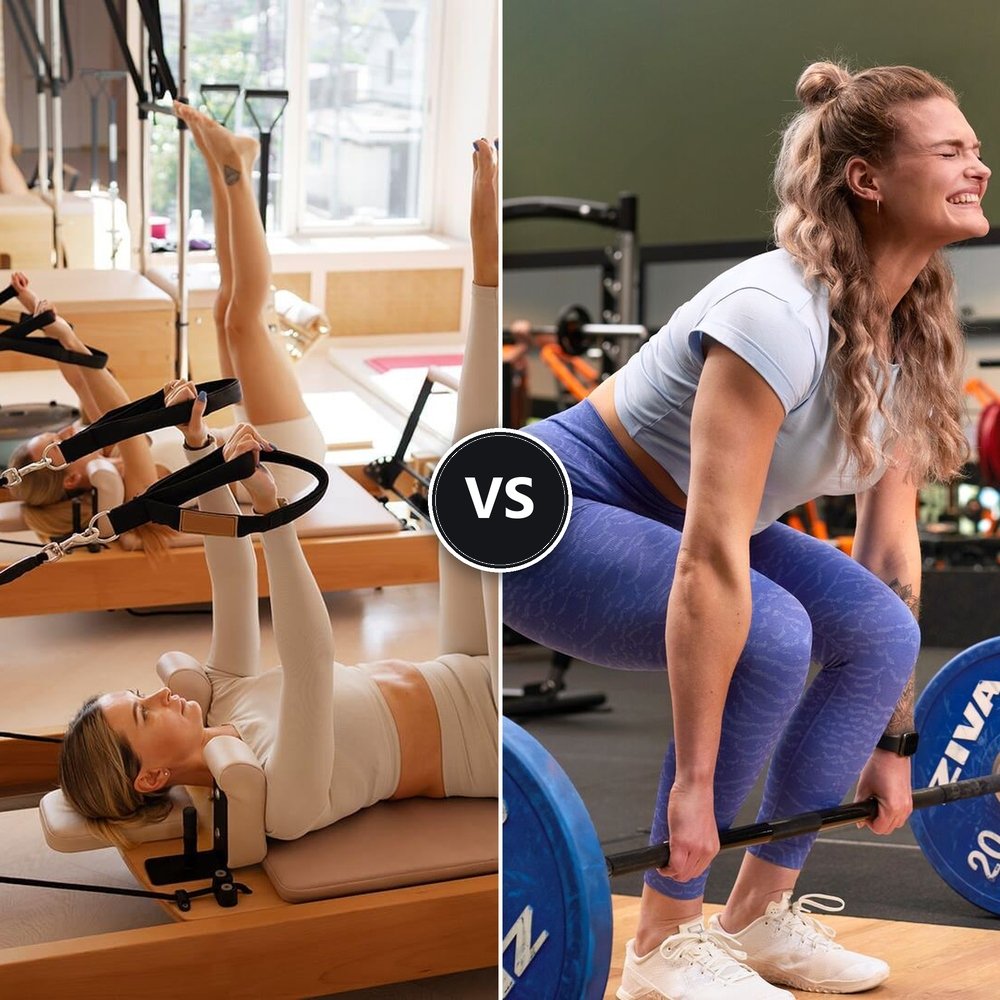
Pilates and weight lifting are two popular approaches to fitness, but they train the body in different ways.
Weight lifting focuses on building muscle and strength, while Pilates emphasizes core stability, flexibility, balance, and controlled movement.
So, which one is better? The answer depends on your fitness goals. In fact, combining both can be an effective way to develop strength while improving mobility and overall body control.
1. Pilates vs. Weight Lifting: Key Differences
Although both use resistance to challenge muscles, their training methods and primary goals are different.
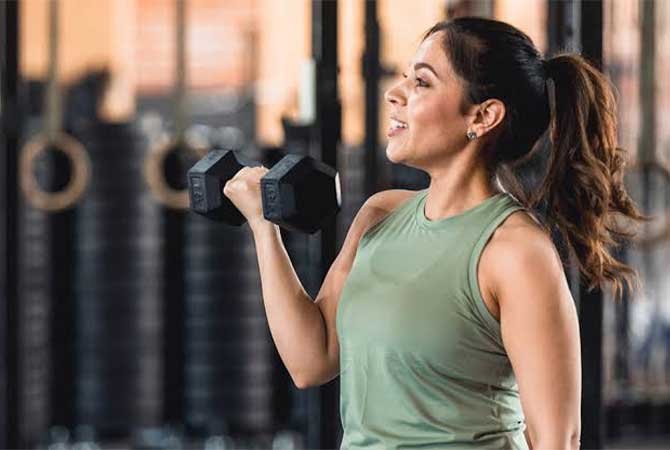
Weight Lifting: Build Muscle and Strength
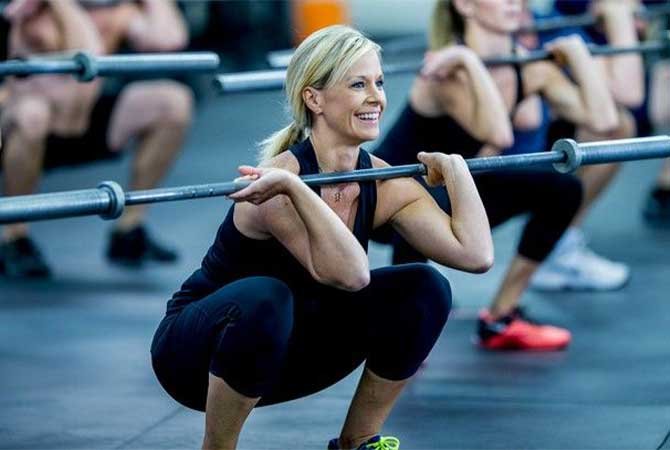
Weight lifting uses dumbbells, barbells, and weight machines to provide external resistance. By gradually increasing the weight, muscles adapt and become stronger.
Main Benefits:
- Builds muscle mass and strength.
- Supports bone health.
- Improves muscular power and physical performance.
- Helps maintain muscle mass as you age.
It is particularly suitable for people who want to increase muscle size, improve strength, and develop physical performance.
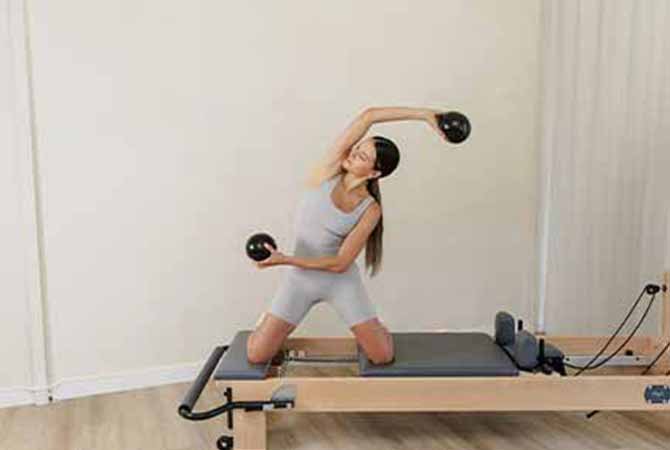
Pilates: Improve Core Strength and Mobility
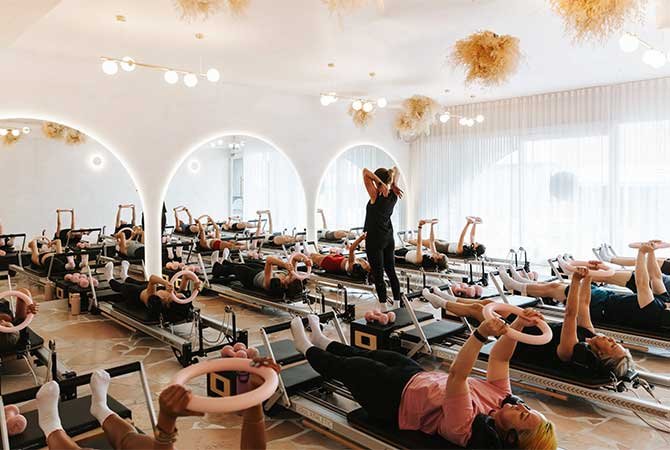
Pilates uses controlled movements, body weight, and resistance from springs or bands. Exercises focus on core engagement, posture, balance, and coordination.
Main Benefits:
- Develops core strength and stability.
- Improves flexibility and mobility.
- Enhances balance and body awareness.
- Builds muscular endurance.
- Encourages better movement control.
Pilates is ideal for people who want to improve movement quality, flexibility, and overall body control.
Quick Comparison
| Training Focus | Pilates | Weight Lifting |
|---|---|---|
| Main Goal | Core control and mobility | Muscle growth and strength |
| Resistance | Springs and body weight | Weights and machines |
| Training Style | Controlled movements | Progressive resistance |
| Flexibility | Strong focus | Depends on exercises |
| Muscle Growth | Moderate stimulus | More effective for hypertrophy |
| Bone Health | Varies with loading | Well-established benefit |
Neither method is better in every situation. Each offers different benefits.
2. Why Weight Lifters Should Try Pilates
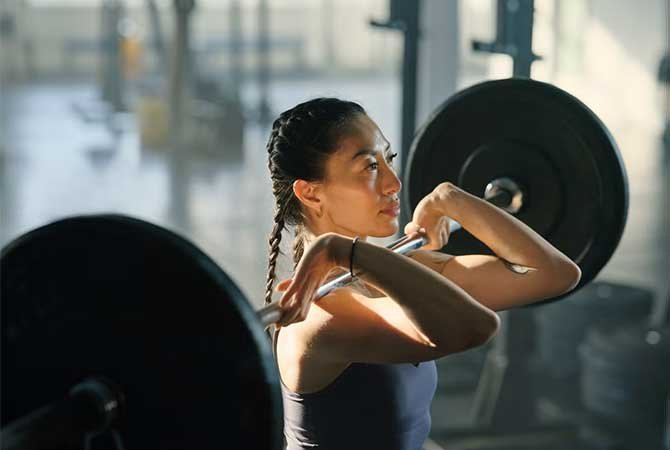
For people who regularly lift weights, Pilates offers a different training stimulus that complements traditional strength workouts.
Better Core Control: Pilates exercises challenge the trunk while the arms and legs move, helping develop coordination and stability.
Improved Mobility: Controlled movements through different positions can complement repetitive gym exercises and support a wider range of motion.
More Balanced Training: Pilates adds muscular endurance, balance, and movement control without relying entirely on heavy weights.
It can be a useful addition to a strength training routine, especially for people who want to develop more than muscle size alone.
3. Why Pilates Practitioners Need Strength Training
Pilates develops core strength, balance, and flexibility, but adding weight lifting can provide benefits that lighter resistance may not fully achieve.
- Build More Muscle: Progressive resistance helps increase muscle size and strength.
- Support Bone Health: Weight-bearing and resistance exercises help maintain bone strength.
Improve Everyday - Strength: Squats, lunges, rows, and deadlifts develop the strength needed for daily activities.
Combining both methods allows Pilates practitioners to work on strength while maintaining the movement control and flexibility developed through Pilates.
4. How to Combine Pilates and Weight Lifting
You don’t need to train every day to benefit from both. A balanced weekly routine could look like this:
| Day | Training |
|---|---|
| Monday | Upper-body weight training |
| Tuesday | Reformer Pilates |
| Wednesday | Rest or light activity |
| Thursday | Lower-body weight training |
| Friday | Reformer Pilates |
| Weekend | Rest or recovery |
Adjust the frequency and intensity according to your fitness level and recovery needs.
If muscle growth is your priority, focus more on strength training. If flexibility, core control, and movement quality matter more, make Pilates the main part of your routine.
5. Why Reformer Pilates Fits Modern Fitness Programs
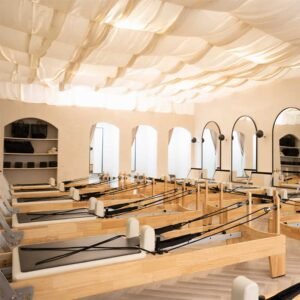
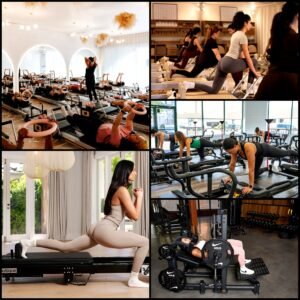
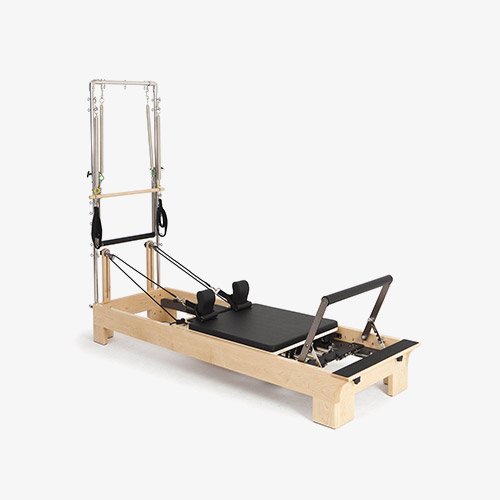
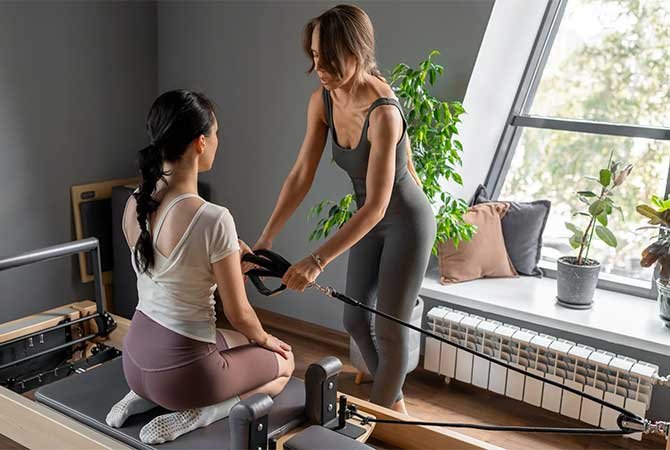
Reformer Pilates offers more exercise variations than traditional mat Pilates. Its moving carriage, adjustable springs, and accessories allow instructors to adapt resistance and exercises to different fitness levels.
For fitness studios, Reformer Pilates can complement traditional gym training and provide clients with more ways to build strength, improve mobility, and develop body control.
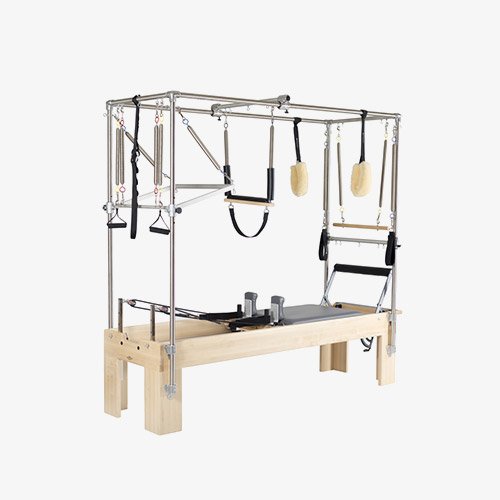
Other pilates equipment, such as the Reformer with Tower and Cadillac, offers additional exercise options for studios looking to expand their Pilates programs.
Conclusion
Pilates and weight lifting are not competing training methods. They serve different purposes and can work together to create a more balanced approach to fitness.
Weight lifting builds muscle and strength, while Pilates develops core control, flexibility, and movement quality. Combining both can help people pursue a wider range of fitness goals.
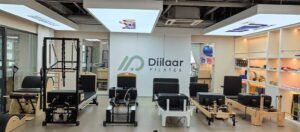
As interest in varied fitness programs continues to grow, studios can benefit from offering different training experiences. Diilaar manufactures professional Pilates Reformers, Towers, and Cadillacs, with OEM/ODM customization and factory-direct supply for pilates studios and distributors worldwide.