Social media has made Wall Pilates one of the most popular at-home workout trends. With short routines, minimal equipment, and promises of improved posture and stronger muscles, it is easy to see why so many people are trying it.
But is Wall Pilates as effective as Mat Pilates or Reformer Pilates?
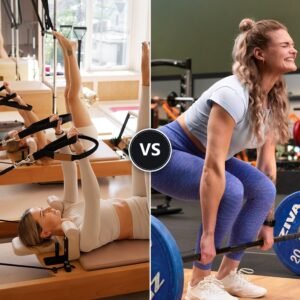
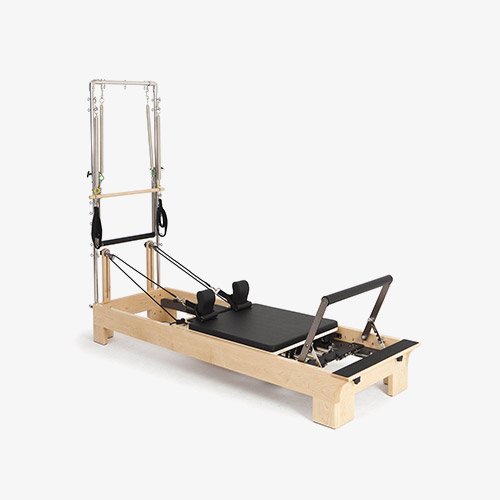
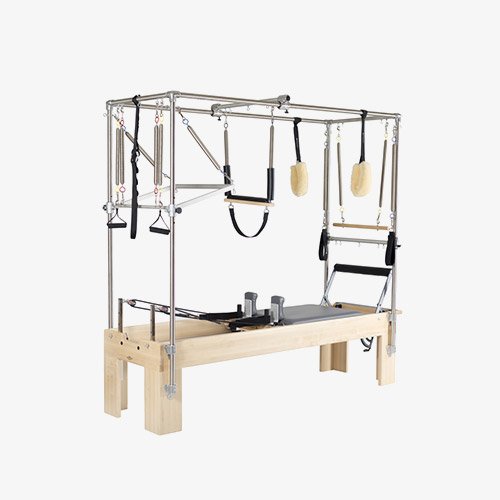
Each method offers different benefits. While Wall Pilates is convenient and beginner-friendly, Mat Pilates builds strength through bodyweight movements, and Reformer Pilates introduces adjustable resistance and a wider range of exercises.
Understanding these differences can help you choose a workout that fits your fitness level, routine, and long-term goals.
1. Why Wall Pilates Is Trending
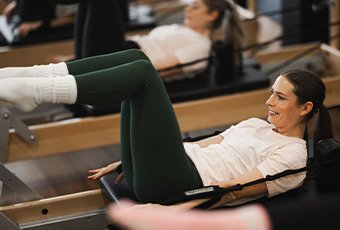
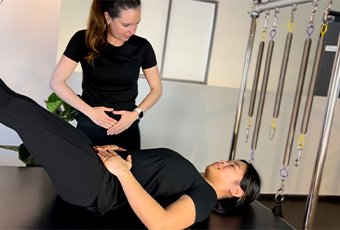
Wall Pilates uses a wall as a support or resistance point during exercises. Instead of relying on specialized equipment, you use your bodyweight and the wall to perform movements such as leg lifts, squats, bridges, and core exercises.
Its biggest advantages are simplicity and accessibility. You can practice at home, follow short online routines, and get started without purchasing equipment.
However, Wall Pilates has limitations. The wall provides a fixed surface, meaning resistance is primarily created through bodyweight, positioning, and muscle engagement. As you become stronger, it can be difficult to increase resistance significantly without changing exercises or adding equipment.
Wall Pilates is a convenient way to begin exercising, but it may not offer the same variety or progression as other Pilates methods.
2. Wall Pilates vs. Mat Pilates vs. Reformer Pilates
Although all three methods focus on controlled movement, core strength, flexibility, and body awareness, the training experience is different.
| Feature | Wall Pilates | Mat Pilates | Reformer Pilates |
|---|---|---|---|
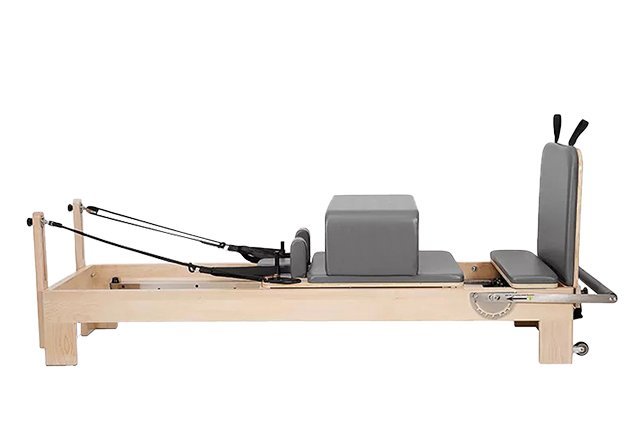
| Equipment | Wall | Exercise mat | Reformer machine |
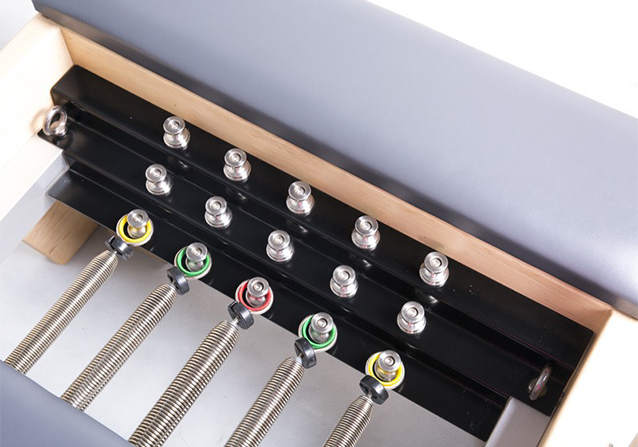
| Resistance | Bodyweight and wall support | Bodyweight and gravity | Adjustable springs |
| Workout style | Supported movements | Floor-based exercises | Moving carriage exercises |
| Exercise variety | Basic to moderate | Wide range of bodyweight movements | Extensive exercise repertoire |
| Difficulty | Beginner-friendly | Beginner to advanced | Adjustable for different levels |
| Progression | Changes in position and repetitions | Changes in exercise and tempo | Spring resistance and exercise variations |
| Best for | Convenient home workouts | Core strength and flexibility | Full-body strength and controlled resistance |
Wall Pilates
在此添加您的标题文本
在此添加您的标题文本
What You Can Do Differently
If your goal is to actually improve how your body feels and functions through Pilates, a few adjustments can make a significant difference.
First, slow down and prioritize control in your Pilates training. Breathing, pelvic stability, and deep core activation should come before complexity. Whether you are practicing on the mat or using a Pilates reformer, these fundamentals are what make each movement effective. Without them, even advanced reformer exercises lose their value.
Second, give your body enough time. In both mat Pilates and Pilates reformer workouts, meaningful changes often appear after a consistent period of training, not within just a few sessions.
Finally, reduce variables that lead to poor movement patterns. Whether through guided Pilates sessions or more controlled setups like a reformer machine, consistency in how your body moves is key to achieving real, lasting results.
A Perspective from the Manufacturing Side
After years in Pilates equipment manufacturing, one thing becomes very clear:
not all training conditions are equal.
The effectiveness of a session is not only determined by the person, but also by the environment supporting the movement.
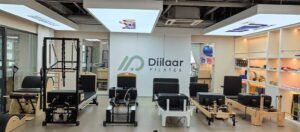
At Diilaar, we approach equipment with this understanding. From raw materials to final production, the goal is to ensure stability, precision, and consistency — because these factors directly influence how well a movement can be performed and repeated over time.
This is also why attention is given to details like structural integrity, smooth resistance, and reliable logistics. Equipment that arrives safely and performs consistently is not just a product feature — it’s part of the training outcome.
Final Thought
Pilates is not just about movement.
It is about how you move, how consistently you train, and what supports that process.
If you focus only on doing more, results may stay limited.
But if you focus on doing it right, with the right conditions, the change becomes much more noticeable — and much more lasting.