Many people start Pilates because something already feels wrong.
Lower back discomfort, poor posture, or a constant sense of physical fatigue.
But after a few weeks, a common question appears:
“Why am I not seeing real results?”
The answer is not that Pilates doesn’t work.
In fact, research such as Taşpınar et al. (2022) and studies published in the Journal of Bodywork and Movement Therapies (2024) have already shown that Pilates can reduce pain, improve flexibility, and enhance core endurance.
The real issue is simpler:
Most people are not practicing Pilates in a way that allows it to work.
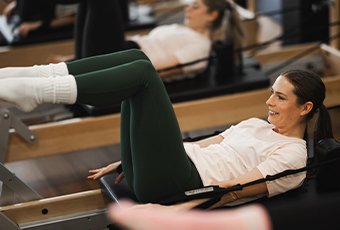
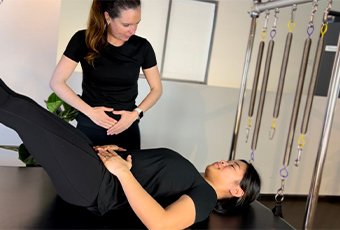
What Research Really Implies (But Most People Miss)
These studies don’t just say Pilates is effective — they also reveal why.
Participants didn’t just”do exercises.”They followed structured programs, with controlled movements, progressive intensity, and consistent training environments. Improvements in pain and function came from precision and consistency, not just repetition.
In other words, Pilates works when the body is trained with control, not when movements are simply copied.
The Gap Between “Doing Pilates” and “Training Your Body”
In real-life practice, this gap is where most results are lost.
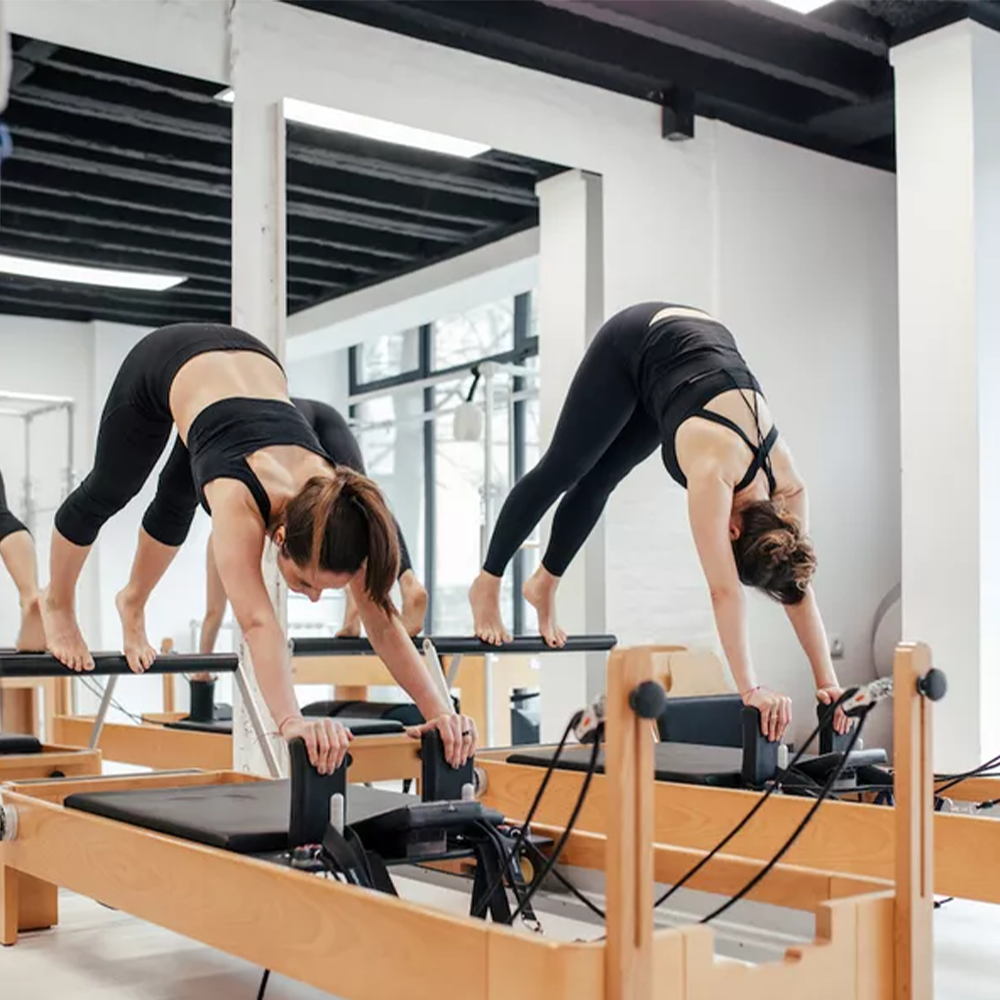
Many people focus on completing movements rather than controlling them. Without proper core engagement and spinal stability, the body compensates. The exercise is done, but the purpose is missed.
Another common issue is the lack of progression. The body adapts quickly. Repeating the same routine without increasing challenge leads to stagnation, even if you stay consistent.
There is also a more subtle factor: the training environment.
Unstable resistance, unclear movement paths, or inconsistent feedback can all reduce the quality of each pilates session. Over time, this affects outcomes more than people expect.
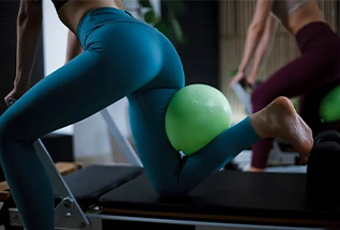
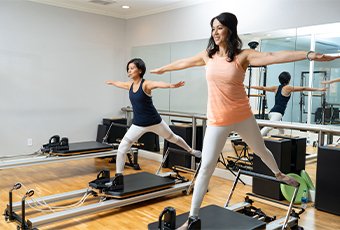
What You Can Do Differently
If your goal is to actually improve how your body feels and functions through Pilates, a few adjustments can make a significant difference.
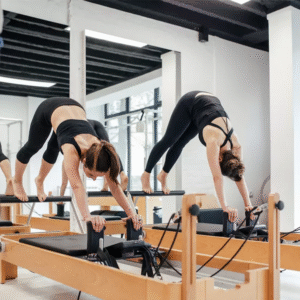
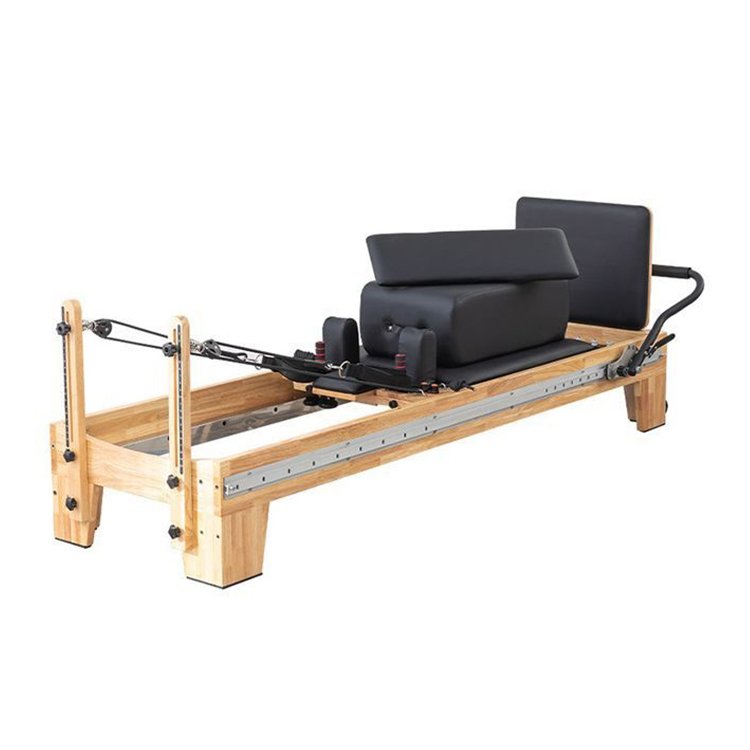
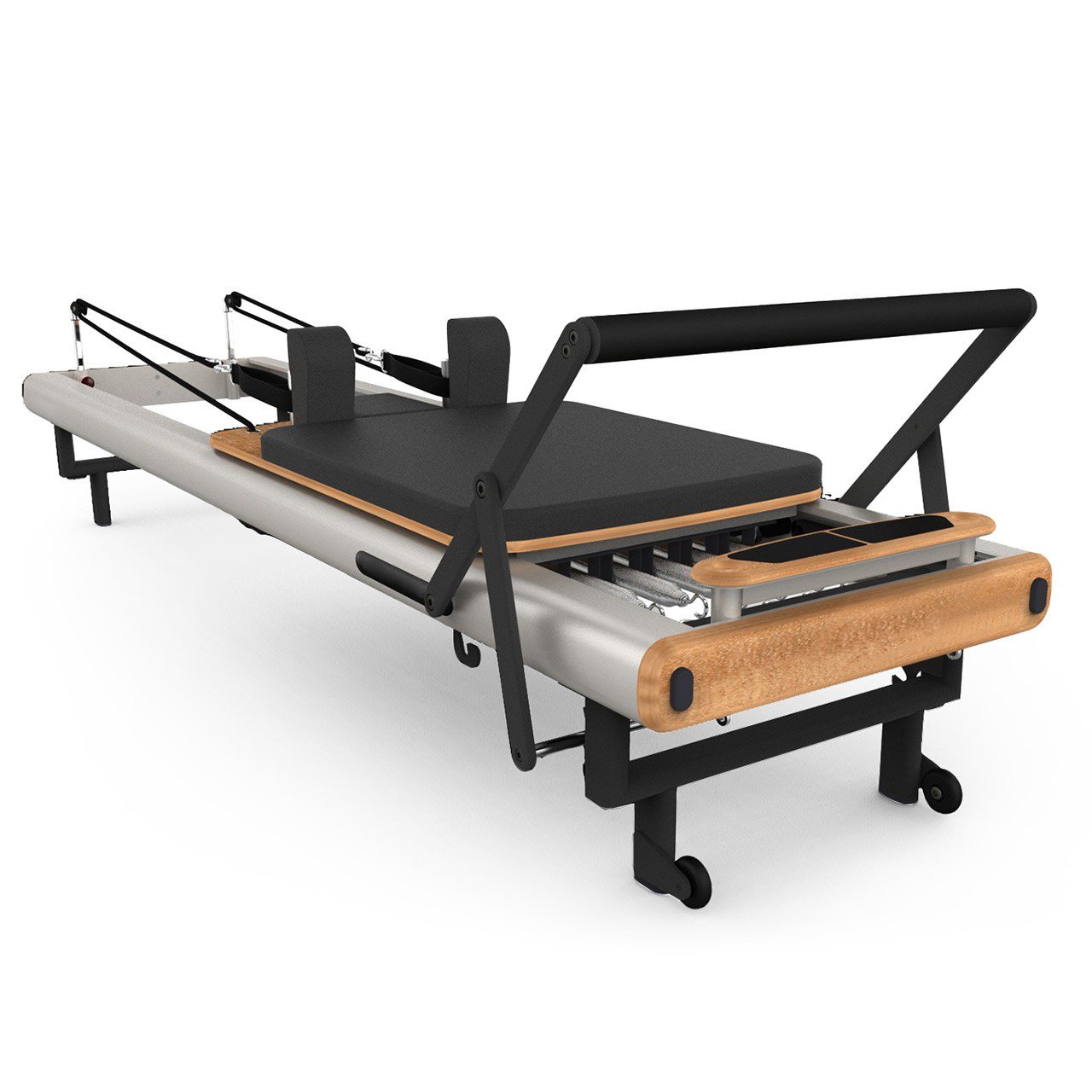
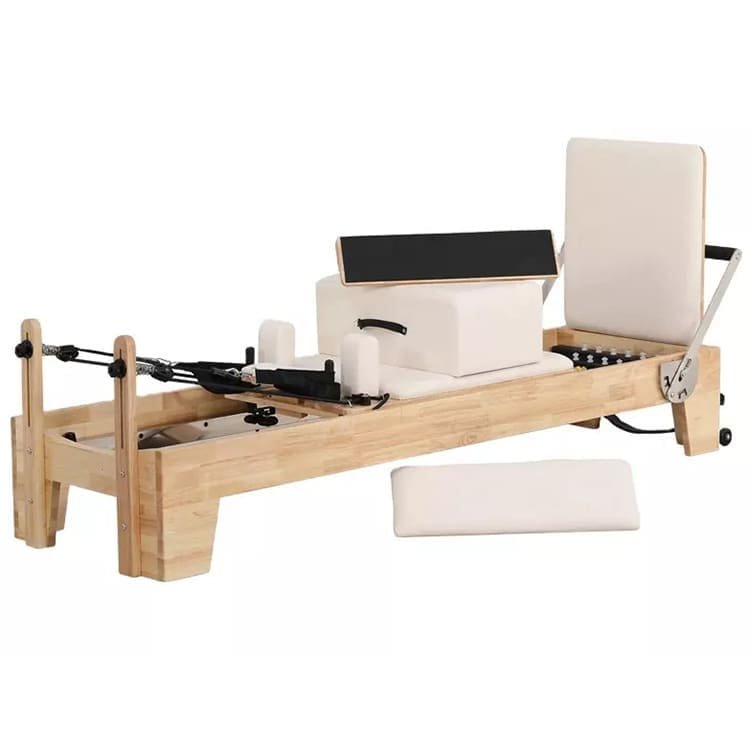
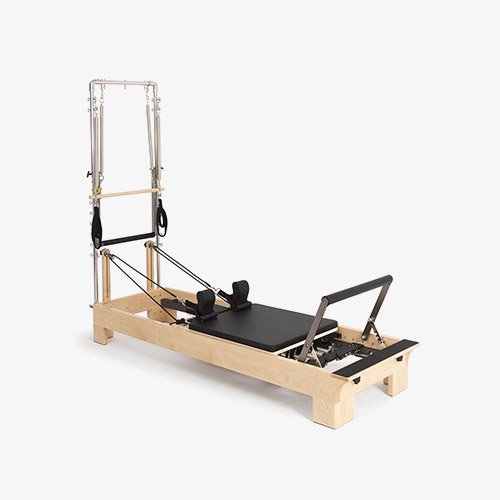
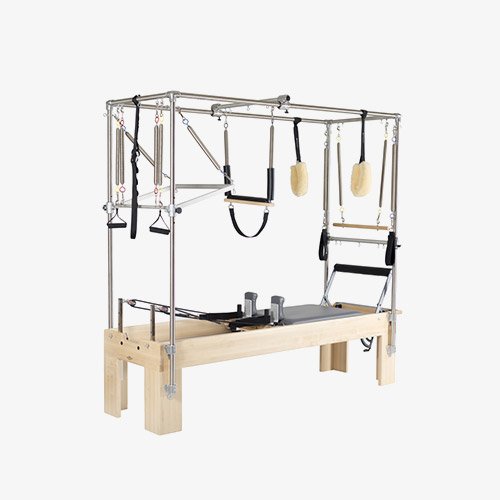
First, slow down and prioritize control in your Pilates training. Breathing, pelvic stability, and deep core activation should come before complexity. Whether you are practicing on the mat or using a Pilates reformer, these fundamentals are what make each movement effective. Without them, even advanced reformer exercises lose their value.
Second, give your body enough time. In both mat Pilates and Pilates reformer workouts, meaningful changes often appear after a consistent period of training, not within just a few sessions.
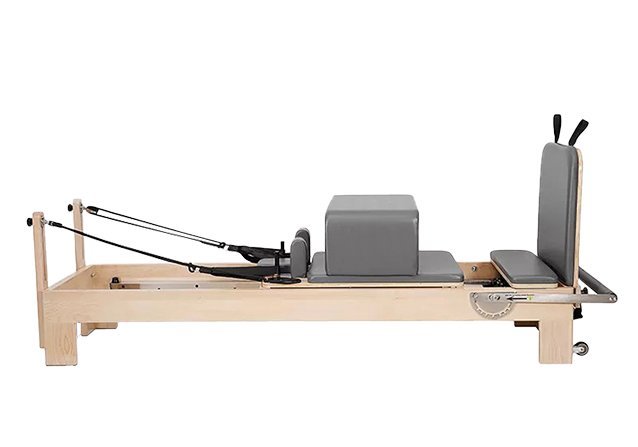
Finally, reduce variables that lead to poor movement patterns. Whether through guided Pilates sessions or more controlled setups like a reformer machine, consistency in how your body moves is key to achieving real, lasting results.
A Perspective from the Manufacturing Side
After years in Pilates equipment manufacturing, one thing becomes very clear:
not all training conditions are equal.
The effectiveness of a session is not only determined by the person, but also by the environment supporting the movement.
At Diilaar, we approach equipment with this understanding. From raw materials to final production, the goal is to ensure stability, precision, and consistency — because these factors directly influence how well a movement can be performed and repeated over time.
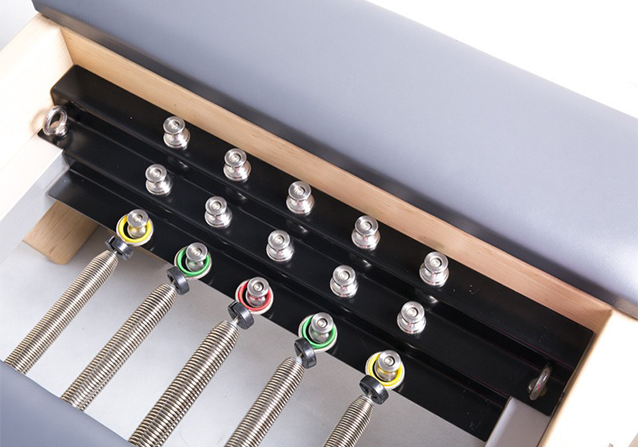
This is also why attention is given to details like structural integrity, smooth resistance, and reliable logistics. Equipment that arrives safely and performs consistently is not just a product feature — it’s part of the training outcome.
Final Thought
Pilates is not just about movement.
It is about how you move, how consistently you train, and what supports that process.
If you focus only on doing more, results may stay limited.
But if you focus on doing it right, with the right conditions, the change becomes much more noticeable — and much more lasting.